Generator Plug Installation
A safer, more reliable way to connect a portable generator to your home, without extension cords everywhere.
If you own a portable generator, a generator plug lets you use it the way it was meant to be used. Instead of snaking extension cords through cracked-open doors and windows during a storm, you plug one cord into an inlet on the outside of your house, flip a switch at your panel, and power the circuits you need, like the refrigerator, lights, internet and fans. It's the most affordable way to get real backup power at home.

What Is a Generator Plug?
A generator plug, also called a generator inlet or power inlet box, is a weatherproof receptacle mounted on the outside of your home and wired to your electrical panel. During an outage, you connect your portable generator to the inlet with a single heavy-duty generator cord. The power then flows into your panel through a transfer switch, interlock kit or manual transfer setup, which routes it to the circuits you choose and keeps your home disconnected from the utility lines.
That last part is critical. The transfer equipment makes it physically impossible for generator power to flow back out onto the utility lines, which protects line workers restoring power in your neighborhood, and protects your generator when utility power comes back.
We serve La Porte, Deer Park, Pasadena and nearby Southeast Texas communities, with 11+ years of experience on both sides of the electrical system, including four years at CenterPoint Energy.
Why Homeowners Install Generator Plugs
A generator plug is one of the most practical, cost-effective ways to prepare for storm season. It costs far less than a standby generator, and it makes the portable generator you may already own safer and much easier to use.
Safer Than Extension Cords
Extension cords are easy to overload, get pinched in doors and windows, and become trip and fire hazards in a dark house. Worse, some people try to power their home by plugging a generator into a wall outlet with a double-ended cord, which can backfeed the utility lines and is extremely dangerous. A professionally installed generator plug powers your circuits through the panel the right way, with breaker protection and an interlock or transfer switch that prevents backfeeding.
Easier Storm Preparation
When the power goes out, the process takes a few minutes: roll the generator outside to a safe spot, connect the cord to the inlet, start the generator, flip the transfer switch or interlock, and turn on the circuits you need. No cords through the house, no doors or windows left open to the weather.
Works With Your Generator
If you already own a portable generator, a proper connection lets you use it to power your home's circuits directly instead of running everything off extension cords. We match the inlet and cord to your generator's outlet and output, so you get the most out of the equipment you already have.
Generator Plug vs. Extension Cords
Extension cords can get you through a short outage, but they are a temporary fix. Here's how the two approaches compare:
Extension Cords
- Temporary solution. Fine for a few hours, frustrating for a multi-day outage.
- Multiple cords throughout the house. Tripping hazards, especially in the dark.
- Easy to overload. Undersized cords overheat when they run large appliances.
- Less organized. Cords for every appliance, plugged in wherever they will reach.
- Limited appliance access. Hardwired items like ceiling lights, fans, well pumps and some furnaces cannot be plugged in at all.
- Windows and doors left open during storms. Letting in rain, heat, bugs and, if the generator is too close, exhaust.
Generator Plug Setup
- Safer power distribution. Power flows through your panel and breakers, with backfeed prevention built in.
- Cleaner installation. One weatherproof inlet outside and one cord to the generator.
- Faster outage setup. Connected and running in minutes.
- Powers selected home circuits directly. Including hardwired lights, ceiling fans and other items cords cannot reach.
- More reliable long-term. Permanent, code-compliant equipment that is ready every storm season.
- Better storm preparation. Doors and windows stay closed, and the generator stays outside where it belongs.
What Can a Portable Generator Power?
It depends on your generator's size, your available electrical capacity, the circuits you choose and the total load running at the same time. Overestimating what a portable generator can handle is one of the most common mistakes. Large loads like central AC, electric water heaters, electric ranges and dryers can use most or all of a portable generator's output on their own. We help you pick the right circuits so you stay within your generator's limits.
A well-planned setup can commonly power:
Plug vs. Interlock Kit vs. Transfer Switch
Every home is different, and there is more than one safe way to connect a portable generator. The right setup depends on your panel type, generator size, load calculations, the circuits you want to power and the existing conditions at your home.
- Interlock kit: A mechanical device on your main panel that only lets the generator breaker turn on when the main breaker is off. It lets you power almost any circuit in your panel and is usually the most affordable option, but it requires a compatible panel.
- Manual transfer switch: A separate switch, wired next to your panel, that feeds a set of pre-selected circuits. It is simple to use and works with panels that cannot take an interlock kit.
- Dedicated emergency circuits: A small subpanel with only your essential circuits, so the generator cannot be overloaded by the rest of the house.
Improper installation can cause backfeeding into utility lines, electrical fires, overloaded breakers, equipment damage and code violations. We design every setup around your home's actual electrical system, not a one-size-fits-all kit. If your panel is outdated or full, a panel upgrade may be the best time to add a generator connection.
Generator safety
Always run a portable generator outdoors, well away from doors, windows and vents. Never run it in a garage, carport or under a covered patio, even with the door open: generator exhaust contains carbon monoxide, which can build up quickly and is deadly. Install battery-powered CO alarms inside your home, and never plug a generator into a wall outlet.
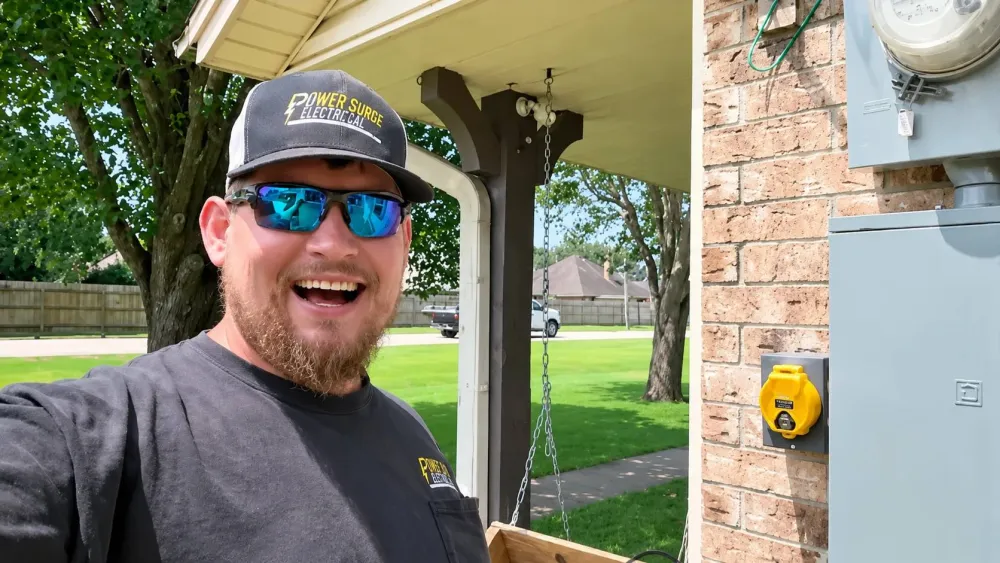
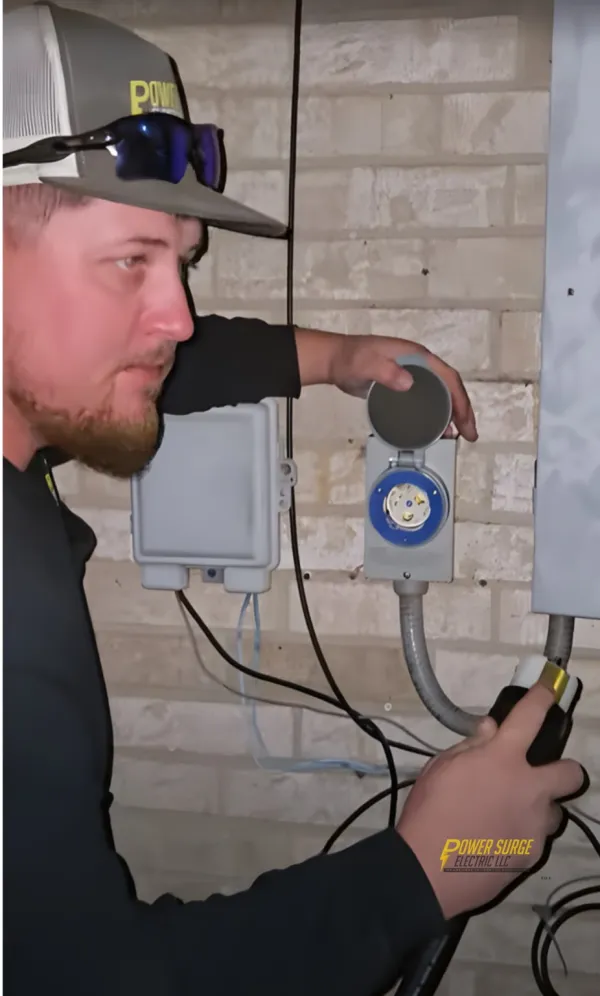
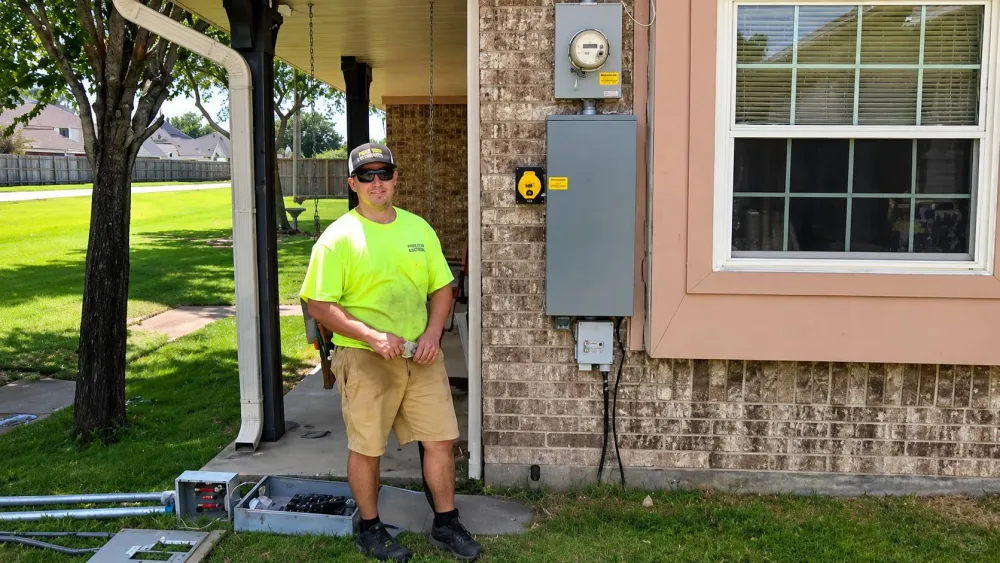
Generator Plugs Installed by Our Team
Weatherproof inlets mounted outside, wired to the panel and ready for the next outage.
See a Portable Generator Plug in Use
Tyler Beene, Master Electrician, on portable generator plugs.
Connect Your Portable Generator Safely
We install generator plugs, inlets, transfer switches, interlock kits and generator-ready panel upgrades, with each setup designed around your electrical system and your backup needs. Tell us what generator you have, or plan to buy, and what you want to keep running, and we'll recommend the right setup. Want backup power that comes on by itself? See standby generators.
Common Questions
Frequently Asked Questions
Get answers to common questions about our electrical services in La Porte, Baytown, Deer Park, and surrounding Texas communities.
Generator plug, inlet, interlock kit and transfer switch questions, answered for homeowners in La Porte, Baytown, Deer Park, and nearby Texas communities.
General Electrical Services
What areas do you serve?
Are you licensed and insured?
Do you offer free estimates?
What makes you different from other electricians?
Panel Upgrades & Electrical Safety
How do I know if I need a panel upgrade?
What size electrical panel do I need?
Do you install whole-house surge protection?
How long does a panel upgrade take?
EV Charger Installation
Can you install Tesla Wall Connectors and other EV chargers?
What's required for EV charger installation?
How much does EV charger installation cost?
Generator & Backup Power
Do you install generators and transfer switches?
What's a transfer switch and why do I need one?
Can you help me choose the right generator size?
Lighting & Other Services
What lighting services do you offer?
Do you handle underground electrical work?
Do you offer emergency electrical services?
Latest from our blog
Expert advice from your local electrician.
 Article
Storm Tore Up Your Weatherhead? Know Your Next Step
What CenterPoint fixes, what you fix, and how to get your power safely reconnected after a storm
 Article
What Happens After Copper Thieves Strike?
How to spot copper theft damage, why it's dangerous, and what a proper repair to code involves.
 Article
Is Your Home Storm-Ready? A Texas Electrician's Guide to Storm Season
Texas storm season tests every home's electrical system. Here's a Master Electrician's guide to getting storm-ready — from your panel to surge protection to backup power — before the next one forms in the Gulf.
What Our Customers Say
Real Reviews from La Porte, Baytown & Deer Park Customers
Power Surge Electric
Generator plugs, inlets, interlock kits and transfer switches, installed by a licensed Master Electrician with 11+ years of experience. Tell us what generator you have and what you want to keep running, and we will get back to you with next steps and estimate options.
- Fast Response
- Free Estimates
- Licensed & Insured